No one wants to face unexpected plumbing problems. Catching issues early can save you from costly repairs. By paying attention to subtle signs and using a few simple techniques, you can keep your home’s plumbing in great shape. Discover how to spot and fix potential problems before they escalate. Let’s dive into maintaining your home’s peace of mind.
Sommaire
ToggleCommon early signs of plumbing issues
Detecting early signs of plumbing problems can save you from costly repairs. Keep an eye out for these common indicators in your home:
- Unusual noises in pipes
- Slow draining sinks and tubs
- Low water pressure
- Water stains on ceilings or walls
Addressing these early symptoms helps maintain your home’s plumbing system. Regularly inspect your plumbing to prevent issues from escalating.
Unusual noises in pipes
Pipes making unusual noises may indicate plumbing problems. Here are some common causes:
- Banging: Loose pipes
- Gurgling: Blocked drains
- Whistling: High water pressure
- Hissing: Pipe leaks
- Rattling: Poor pipe support
- Knocking: Air in pipes
Slow draining sinks and tubs
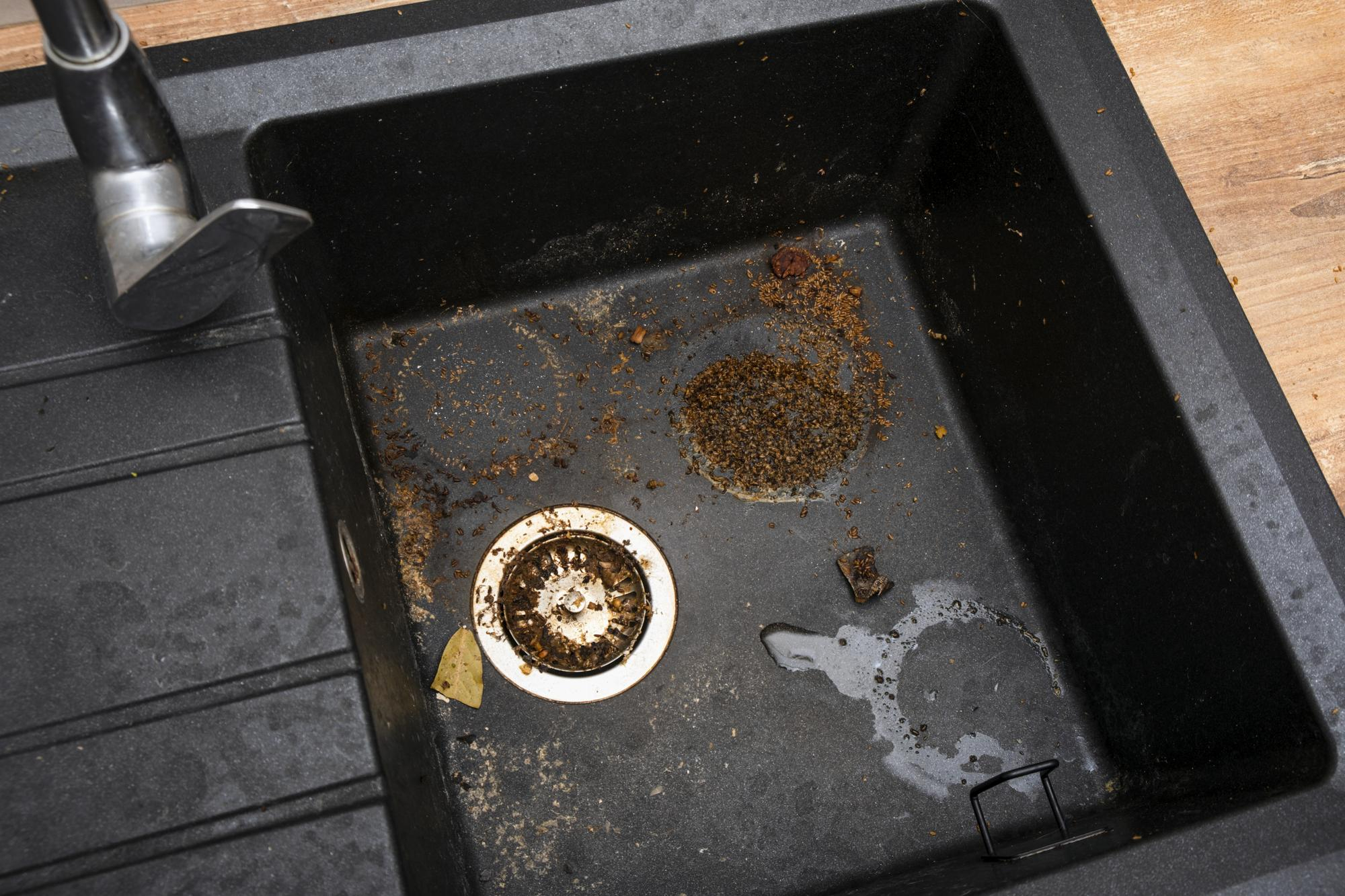
Slow draining sinks and tubs often indicate a partial blockage in your plumbing system. Accumulation of hair, soap scum, and debris can lead to these issues. Regular cleaning helps avoid typical drain blockages and maintains water flow efficiently.
Low water pressure
Low water pressure often disrupts daily tasks. Check for these potential causes:
- Clogged pipes reduce flow.
- Corroded plumbing restricts water.
- Leaky pipes waste pressure.
- Faulty pressure regulators need adjustment.
Addressing these helps maintain strong water flow.
How to visually inspect for plumbing problems
Begin by examining your walls and ceilings for water stains, which often indicate leaks. Check under sinks and around faucets for mold or mildew, as these suggest moisture issues. Use a flashlight to spot these signs in dim areas. Monitor your water meter readings; a sudden increase might reveal hidden leaks. Look at the meter before and after a two-hour water break. Any change suggests a problem. Regular inspections help you catch plumbing problems early, preventing costly repairs and maintaining your home’s integrity.
Checking for water stains
Water stains signal hidden plumbing issues. Look for them on ceilings and walls. They often indicate leaks. Address them swiftly to prevent damage.
- Inspect ceilings for discoloration
- Check walls for moisture rings
- Examine under sinks
- Look around toilets
- Investigate basements for stains
Inspecting for mold or mildew
Spotting mold or mildew early helps prevent serious plumbing problems. Check for visible discoloration or a musty odor. Use the following steps:
- Inspect around sinks and tubs
- Look under cabinets for dampness
- Check walls near water sources
- Examine basements for moisture
Prompt action reduces repair costs and maintains home health.
Observing water meter readings
Monitoring your water meter helps detect plumbing problems early. Follow these steps to identify potential leaks:
- Turn off all faucets and appliances using water.
- Locate your water meter, usually outside or in a basement.
- Note the current meter reading.
- Wait one to two hours without using water.
- Recheck the meter reading for changes.
- If the reading changes, a hidden leak might exist.
This method helps prevent costly repairs by catching issues early.
Tools and techniques for DIY plumbing checks
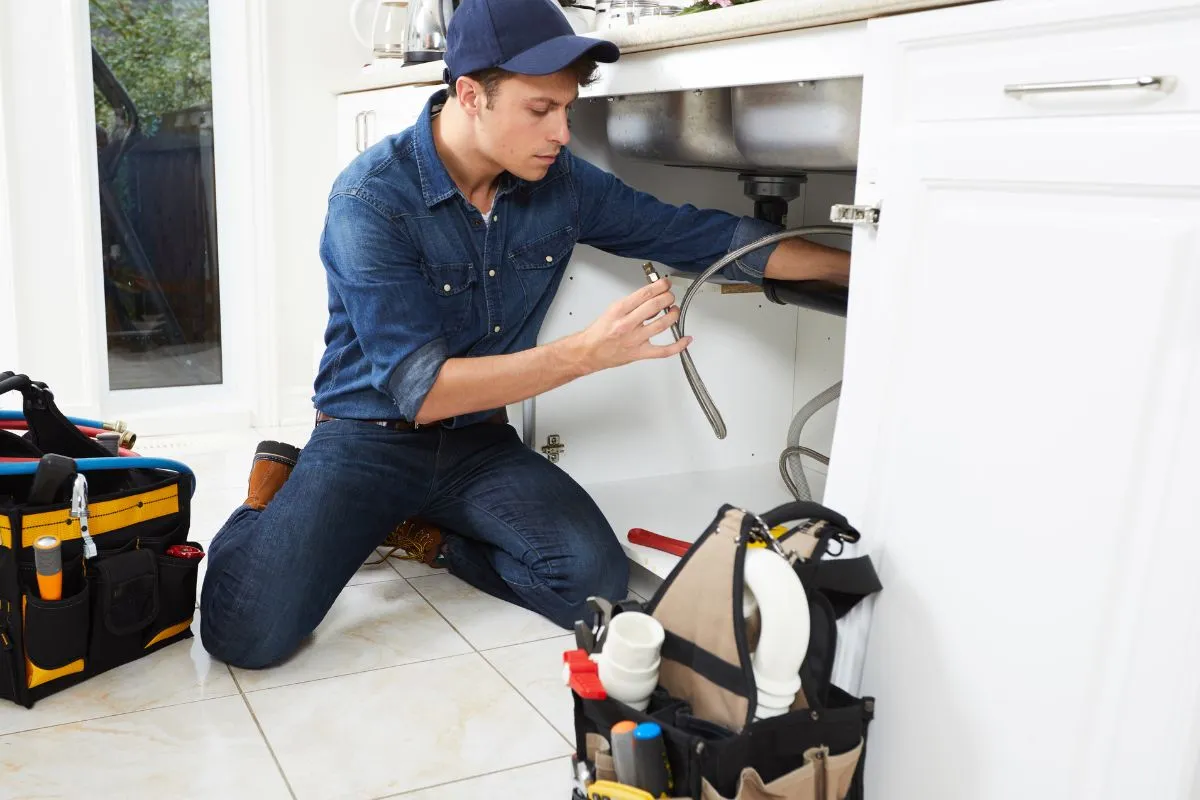
Homeowners should equip themselves with essential tools like an adjustable wrench and pipe tape. A plunger proves invaluable for clearing minor clogs. When checking for leaks, look under sinks and around toilets. Use a flashlight to inspect for water drips or puddles. Simple techniques include feeling for moisture around pipes. Listening for water hissing can indicate hidden issues. A water pressure gauge helps ensure optimal pressure levels. Routine checks prevent costly repairs. These DIY techniques empower you to handle basic plumbing problems effectively.
Essential plumbing tools for homeowners
Every homeowner should have a basic toolkit for plumbing issues. This includes a plunger, pipe wrench, and a drain snake. Adjustable pliers and Teflon tape also prove essential for quick fixes and leak prevention.
Using a plunger effectively
A plunger can effectively clear minor clogs in sinks and toilets. Using it correctly prevents further plumbing problems.
- Seal the plunger over the drain.
- Ensure there’s enough water to cover the plunger’s cup.
- Use firm, quick pushes and pulls.
- Maintain a tight seal throughout.
- Repeat until the clog clears.
This simple tool can save time and money by handling small blockages before they worsen.
Simple leak detection methods
Identifying leaks early prevents costly repairs. Follow these steps:
- Check water meter for changes.
- Look for visible damp spots.
- Inspect under sinks.
- Test toilet for silent leaks.
- Examine pipe joints.
- Use food coloring in tanks.
Each step helps spot potential plumbing issues.
When to call a professional plumber
Complex plumbing issues require a professional. Call a plumber for persistent low water pressure or unexplained leaks. A sudden spike in your water bill indicates hidden leaks. Discolored water or sewage odors also signal serious problems. Prioritize safety and avoid further damage by consulting an expert.
Recognizing complex plumbing problems
Spotting complex plumbing problems early can prevent costly repairs. Look for these signs:
- Persistent clogs: Recurring blockages may signal deeper issues.
- Sewer odors: Foul smells indicate possible sewer line damage.
- Discolored water: Rusty or murky water suggests pipe corrosion.
- Water stains: New stains might point to hidden leaks.
- Increasing water bills: Sudden spikes may result from undetected leaks.
Consider calling a professional to assess and resolve these problems effectively.
Evaluating the urgency of plumbing repairs
Quickly evaluating plumbing repair urgency helps prevent serious damage. Consider these factors to decide:
- Leak severity: Small drips or gushers?
- Water pressure: Noticeable drop?
- Extent of water damage: Minimal or widespread?
- Mold presence: Visible signs?
- Functionality: Impacts daily routine?
- Age of plumbing: Older systems at risk?
Address immediate issues to protect your home. For complex cases, call a professional plumber. Quick action minimizes costs and ensures peace of mind.
Preventative measures to avoid future plumbing issues
Regular maintenance prevents plumbing problems. Consider these measures:
- Inspect pipes for leaks monthly.
- Flush drains with vinegar and baking soda.
- Install water-saving showerheads.
- Check water pressure regularly.
Implementing routine drain maintenance reduces blockages. Stay proactive with these tips to ensure your plumbing remains efficient and reliable.
Regular maintenance tips
Regular plumbing maintenance ensures smooth operation. Inspect pipes and check for leaks monthly. Clean drains using clog prevention techniques. Incorporate a seasonal home maintenance routine to address potential issues early.
Installing water-saving fixtures
Installing water-saving fixtures helps reduce water bills and conserve resources. Opt for low-flow showerheads and faucet aerators. These fixtures lower water usage without sacrificing performance. Check compatibility with existing plumbing systems. Consider dual-flush toilets for efficient water use. Regular maintenance ensures longevity. Consult a plumber if unsure about installation. Enjoy savings and contribute to a sustainable future.
Popular Questions
What causes unusual noises in pipes?
Pipes can make noises due to high water pressure or air trapped inside. Loose fittings may also contribute to these sounds.
How can I fix slow draining sinks?
Use a plunger or a drain snake to clear blockages. Regular cleaning helps maintain smooth drainage.
Why is my water pressure low?
Low pressure may result from clogged pipes, faulty fixtures, or a malfunctioning pressure regulator.
When should I call a plumber?
Contact a plumber for persistent problems, complex leaks, or if DIY solutions don’t work.