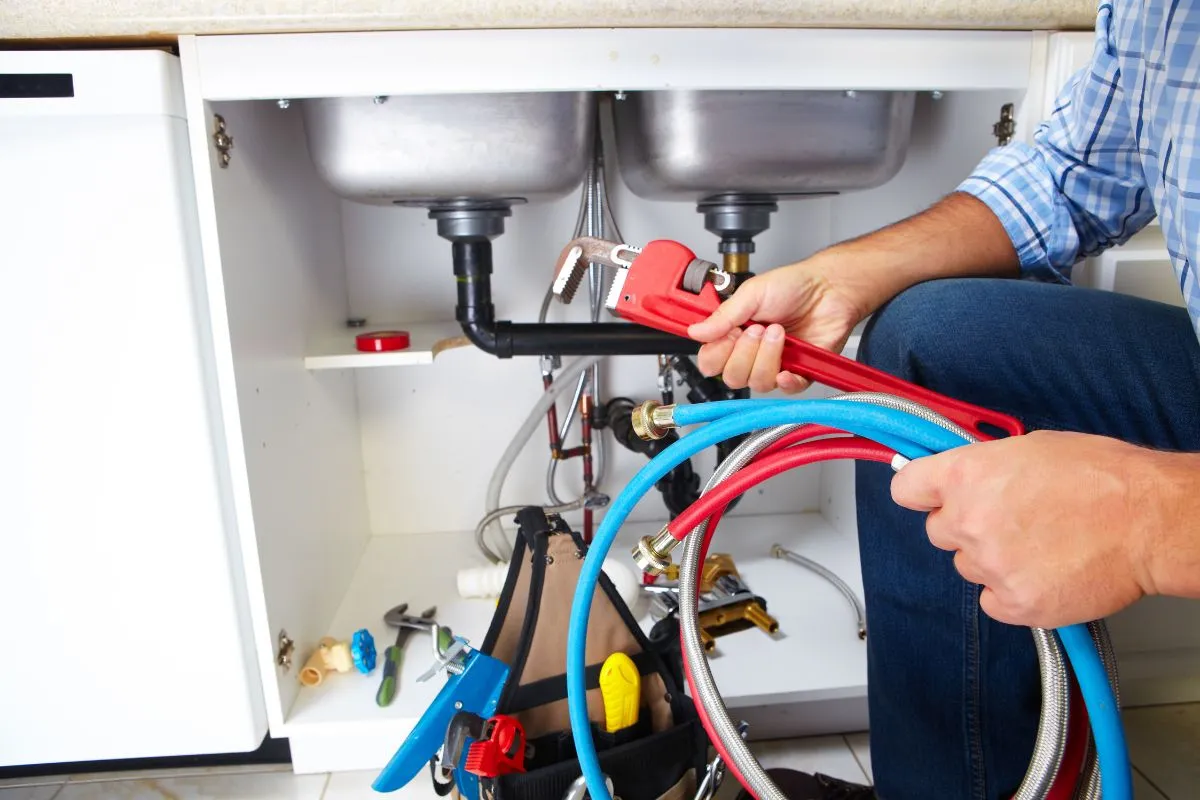
Nobody wants to deal with a clogged drain, right? A blocked sink or tub can disrupt your day and lead to costly repairs. Let’s explore easy, practical ways to keep your home’s plumbing flowing smoothly. With a few simple steps, you can master drain clog prevention and enjoy a hassle-free home. Dive in and discover essential tips.
Sommaire
ToggleCommon causes of drain clogs
Drain clogs often disrupt household routines, causing frustration. Addressing the root causes can prevent issues. Here are common culprits:
- Hair accumulation in bathroom drains.
- Grease and oil buildup in kitchen sinks.
- Soap and shampoo residue forming blockages.
- Food particles not disposed of properly.
- Foreign objects accidentally lodged in pipes.
- Mineral buildup from hard water.
Regular maintenance and proper disposal habits help maintain a clog-free environment.
Hair accumulation
Hair buildup often clogs bathroom drains. Use a hair catcher over the drain to trap strands. Regularly remove trapped hair to ensure water flows freely. Teach family members to discard hair in the trash. This simple habit significantly reduces clog risks and maintains your plumbing system’s efficiency.
Grease and oil buildup
Grease and oil solidify as they cool, creating blockages in your pipes. To prevent this, avoid pouring them down the sink. Instead, collect grease in a container and dispose of it in the trash. This simple practice keeps your drains clear and prevents costly plumbing issues. Regular maintenance ensures longevity of your plumbing system.
Foreign objects
Foreign objects often cause unexpected clogs in drains. Items like jewelry, toys, or small utensils accidentally slip into sinks or toilets. Use drain covers to prevent these mishaps. Regularly check for missing items to avoid potential blockages and maintain proper water flow.
Regular maintenance tips
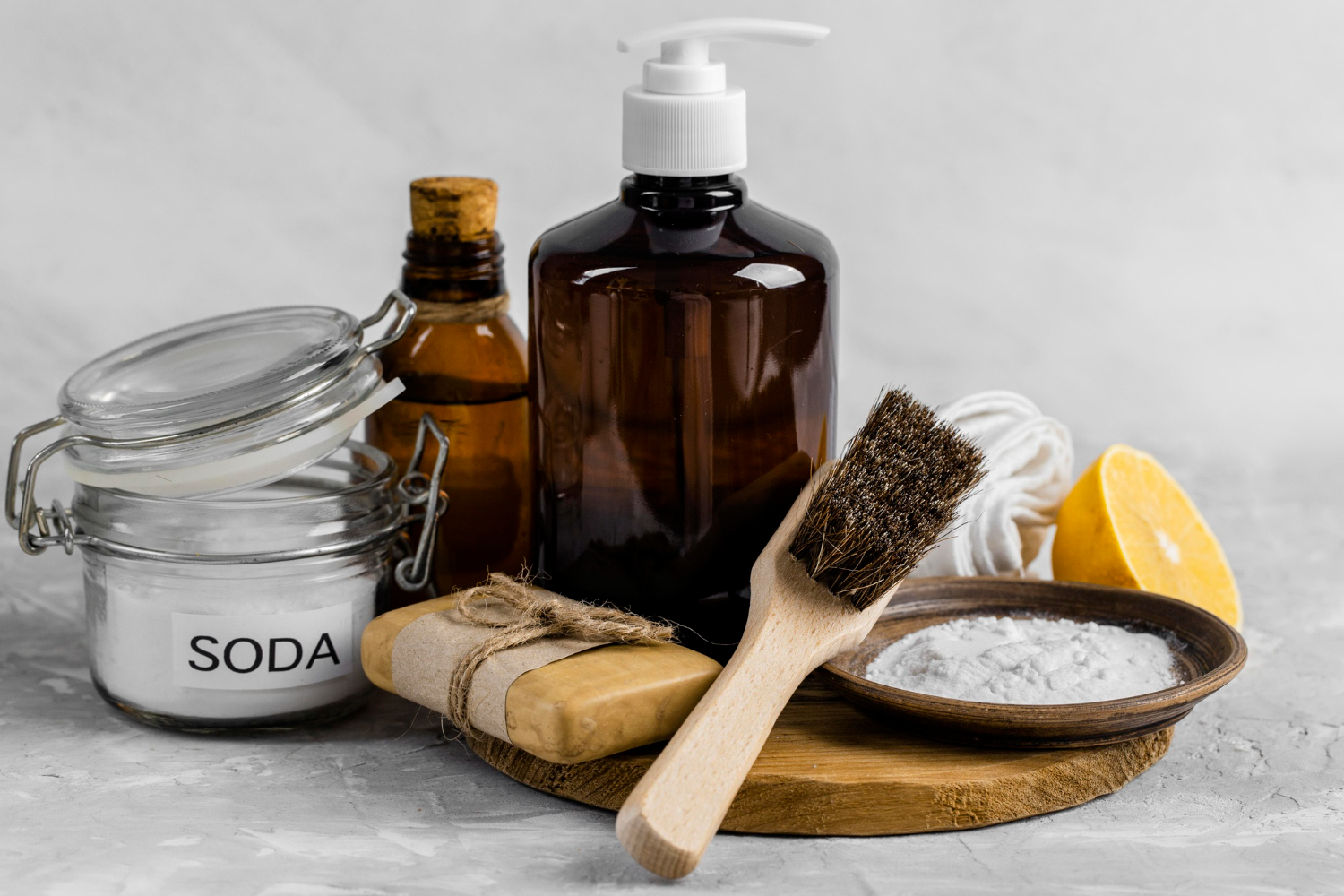
Establish a weekly routine by flushing drains with hot water. Use a mix of baking soda and vinegar monthly for natural cleaning. Regularly check drain stoppers for trapped debris. Remove hair and soap scum to prevent buildup. These steps ensure a smooth flow and reduce the risk of clogs. Consistent attention to these details keeps plumbing issues at bay and maintains a clean, functional home environment.
Weekly drain cleaning routine
A consistent weekly cleaning routine can prevent drain clogs and maintain smooth water flow. It doesn’t require much effort but offers significant benefits.
- Pour boiling water down each drain.
- Use a baking soda and vinegar mix.
- Clear drain stoppers of debris.
- Flush with cold water after cleaning.
These steps help ensure drains remain clear and functional. Regular maintenance saves on costly repairs and keeps plumbing systems in optimal condition.
Monthly use of natural cleaners
- Pour un nettoyage mensuel, mélangez une tasse de bicarbonate de soude et une tasse de vinaigre blanc. Versez dans le drain. Attendez cinq minutes, puis rincez à l’eau chaude.
- Utilisez du jus de citron pour éliminer les odeurs. Versez une demi-tasse dans le drain, suivi d’eau tiède.
- Pour dissoudre les accumulations, mélangez du sel et de l’eau tiède. Versez lentement dans le drain pour des résultats optimaux.
Une routine mensuelle avec des nettoyants naturels garde vos drains en bon état. Ces solutions simples aident à réduire les risques de blocages.
Inspecting drain stoppers
Regularly check your drain stoppers to prevent clogs. Remove the stopper and clear any debris like hair or soap scum. Ensure the stopper functions properly to allow smooth water flow. This simple inspection helps maintain a clean and efficient plumbing system, reducing the risk of future obstructions.
Kitchen drain clog prevention
Preventing clogs in kitchen drains involves mindful practices. Avoid disposing of grease and food waste in the sink. Regular maintenance keeps pipes clear and functional. Consider the following tips for effective drain clog prevention:
- Dispose of food scraps in a compost bin, not the sink.
- Wipe greasy pans with paper towels before washing.
- Run hot water after each use to clear residues.
- Use a mesh strainer to catch large particles.
- Pour a mixture of vinegar and baking soda monthly to clean pipes.
Proper disposal of food waste
Dispose of food waste properly to prevent clogs. Avoid pouring grease down the sink. Instead, use these methods:
- Compost vegetable scraps.
- Collect grease in a container for disposal.
- Scrape plates into the trash.
- Install a garbage disposal unit.
- Use drain strainers to catch debris.
These steps ensure effective drain clog prevention in your kitchen.
Avoiding grease in the sink
Pour prévenir les obstructions de drains, ne versez pas de graisse dans l’évier. Stockez les huiles usagées dans un récipient scellé. Essuyez les restes de graisse avec une serviette en papier avant de laver. Utilisez régulièrement de l’eau chaude pour dissoudre les résidus. Ces pratiques simples aident à maintenir vos tuyaux propres et fonctionnels.
Bathroom drain care
Utilize hair catchers in your bathroom drains to stop hair from causing clogs. These devices trap loose strands before they enter the pipes. Limit the use of heavy soaps and shampoos, as they create residue that builds up over time. Rinse the drain with hot water after each shower to remove any leftover debris. Regular cleaning and maintenance ensure smooth flow and reduce the risk of blockages.
Using hair catchers
Install hair catchers in your bathroom drains to effectively trap hair before it causes clogs. These inexpensive devices fit over shower or sink drains. Clean them regularly to ensure optimal performance. This simple step significantly reduces the risk of blockages, maintaining a smooth water flow and preventing costly plumbing issues.
Limiting soap and shampoo residue
Reduce soap and shampoo residue by following these tips:
- Use liquid soap instead of bar soap.
- Rinse thoroughly after each use.
- Opt for low-residue shampoo formulas.
- Install a water softener to prevent buildup.
These steps help maintain clean drains and prevent clogs.
When to call a professional plumber
- Water backs up consistently in sinks or tubs.
- Unusual odors persist despite cleaning efforts.
- Drainage becomes slow in multiple fixtures.
Persistent issues like these suggest the need for a professional plumber. They can assess the situation and provide effective solutions. In urgent cases, urgent plumbing assistance ensures quick and efficient resolutions to prevent further damage.
Signs of serious clogs
Slow drainage often indicates a serious clog. Water pooling in sinks or tubs suggests blockage. If strange odors emanate from drains, suspect a buildup issue. Gurgling sounds when using plumbing fixtures hint at trapped air caused by obstructions. Frequent clogs that persist despite home remedies require attention. A toilet refusing to flush properly signals potential drain line problems. If multiple fixtures experience issues simultaneously, it might indicate a main sewer line clog. Recognizing these warning signs helps prevent costly damage. Promptly addressing these symptoms ensures a smooth-running plumbing system, maintaining your home’s functionality and hygiene.
Benefits of professional maintenance
Professional maintenance ensures optimal drain performance, identifying issues early. It prevents costly repairs by using advanced tools. Experts provide long-term solutions, enhancing home plumbing efficiency. Regular check-ups reduce the risk of severe clogs, offering peace of mind. Investing in professional care ultimately saves time and money.
Questions and Answers
How often should I clean my drains to prevent clogs?
Clean your drains weekly to prevent buildup. Use a mixture of hot water and vinegar. It helps break down debris.
What are the best natural cleaners for drain maintenance?
Baking soda and vinegar work wonders. They dissolve minor clogs and freshen your drains. Use monthly for best results.
How can I tell if a clog requires a professional plumber?
If water drains slowly or makes gurgling sounds, call a plumber. Persistent issues often need professional intervention.