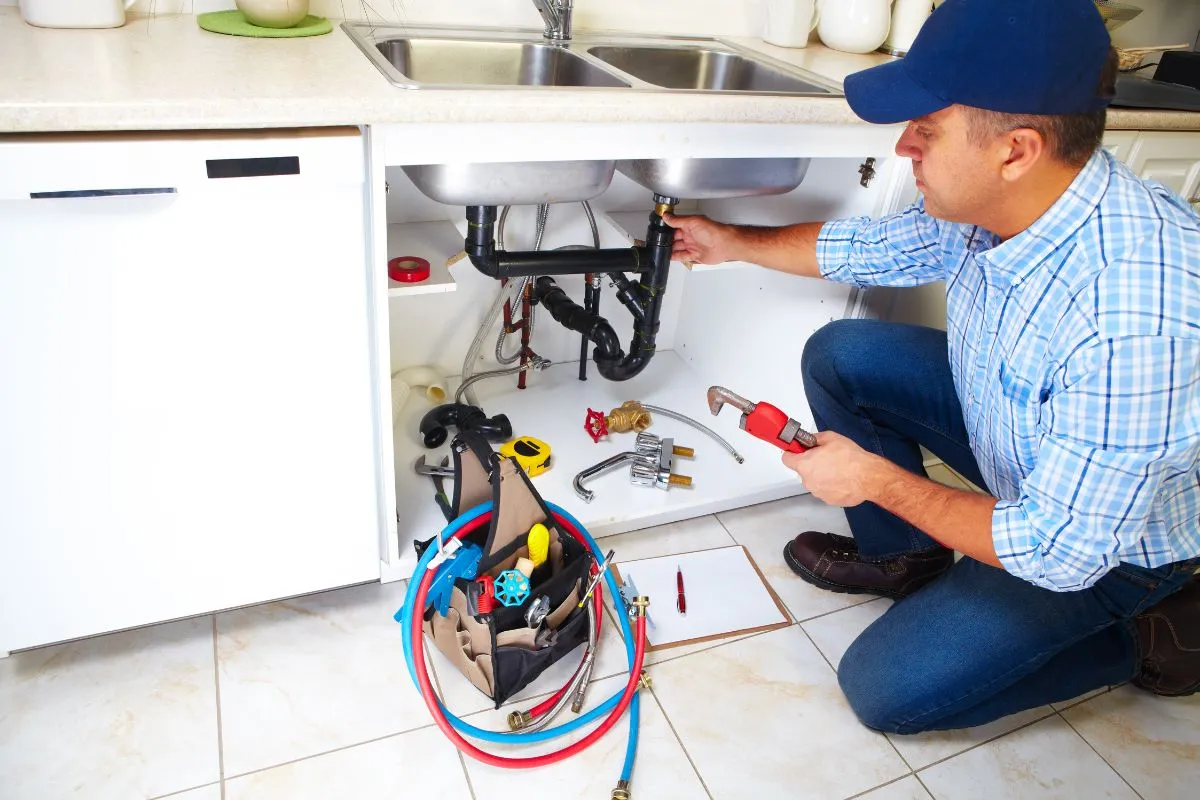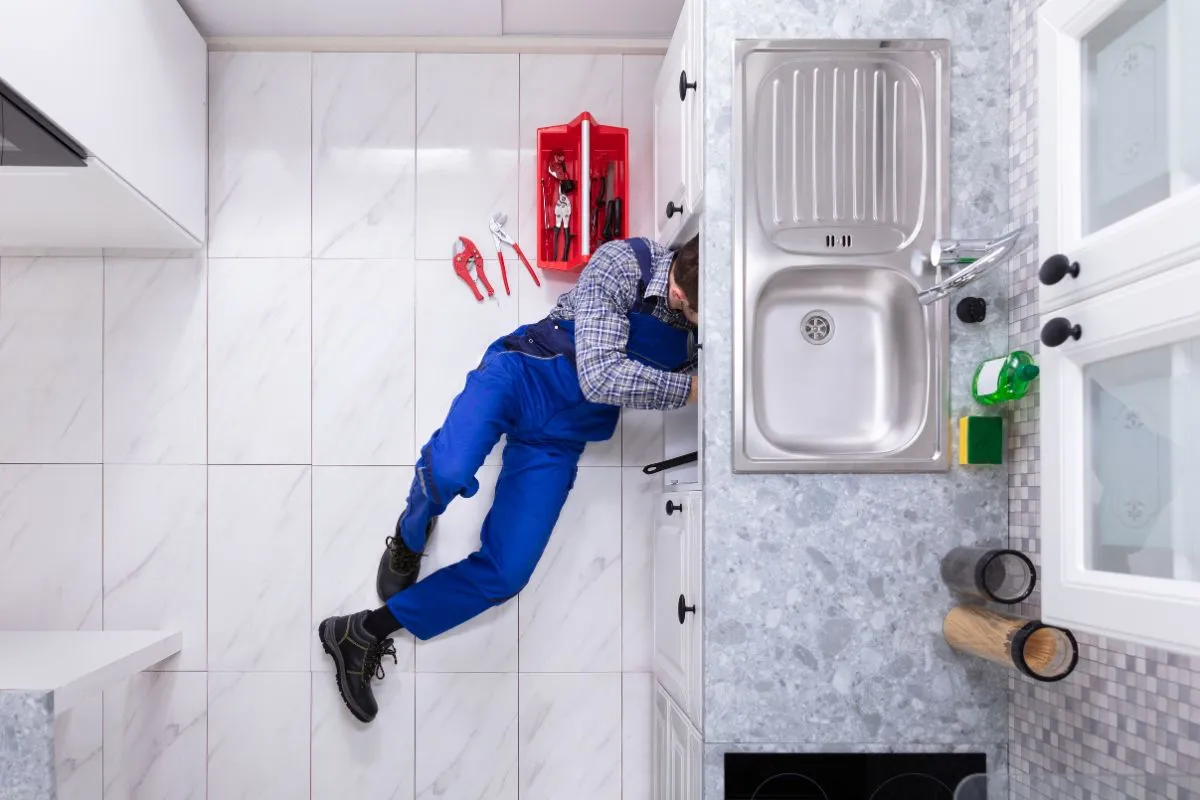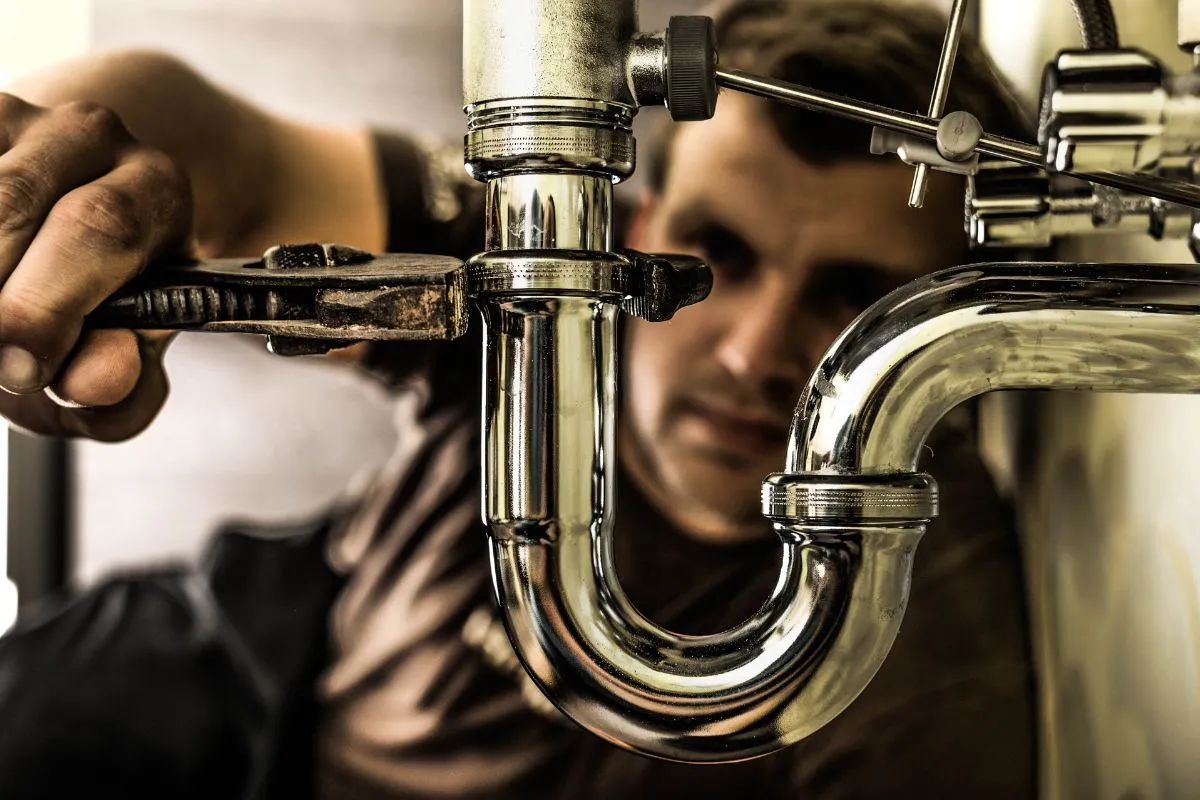
Leaky faucets or strange noises keeping you up? You might have some hidden pipe repair signs. Ignoring these can lead to bigger issues. Discover how to keep your home’s plumbing in top shape. Learn what to watch for and when to act. Let’s ensure your pipes don’t surprise you with costly repairs or replacements.
Sommaire
ToggleCommon signs your pipes need attention
Recognizing the signs that your pipes need attention can prevent costly repairs. Watch for these indicators:
- Unusual pipe noises
- Discolored tap water
- Low water pressure
- Water stains on surfaces
- Mold or mildew growth
- Frequent drain clogs
Early detection of plumbing issues can save you time and money.
Unusual noises from pipes
Pipes making unusual noises often signal underlying issues. Address these sounds promptly to prevent further damage. Common noise causes include:
- Water hammer from sudden valve closure
- Loose pipe brackets causing rattling
- Air bubbles trapped inside pipes
- High water pressure leading to vibrations
Consider consulting a plumber to identify and fix these problems effectively.
Discolored water from faucets
Seeing discolored water from your faucets signals potential plumbing issues. Rusty or brown water often indicates corroded pipes or sediment buildup. This can affect water quality and your home’s safety. To address this, inspect your plumbing system for signs of rust or mineral deposits. Consider contacting a professional plumber to determine if you need pipe repair or replacement to ensure clean, clear water flows again.
Decreased water pressure
Experiencing decreased water pressure often indicates underlying pipe issues. This could result from corroded pipes, which restrict water flow, or mineral buildup. Leaks or blockages might also contribute, affecting the entire system. Inspect your main shut-off valve to ensure it’s fully open. If the problem persists, consulting a professional plumber helps identify and address the root cause.
Visual cues to watch for
Spotting water stains on walls or ceilings signals potential pipe issues. These stains often appear as brownish rings or spots. Additionally, the presence of mold or mildew indicates moisture problems, often from leaking pipes. Mold thrives in damp conditions, so its growth suggests hidden leaks. Inspect areas under sinks and behind appliances for visible signs. Catching these visual cues early prevents extensive damage and costly repairs.
Water stains on walls or ceilings
- Brownish or yellowish spots appearing on ceilings
- Peeling or bubbling paint on walls
- Soft or damp drywall sections
- Recurring water stains in specific areas
- Ceiling sagging or discoloration
Water stains often signal underlying pipe issues. Addressing these visible signs early helps prevent major damage and costly repairs.
Mold or mildew presence
Finding mold or mildew near pipes often signals moisture issues. This growth indicates leaks or condensation problems. Inspect areas under sinks and around water heaters. If mold appears frequently, it might mean hidden leaks or poor ventilation. Addressing this early prevents structural damage and health risks. Use a flashlight to check dark, damp areas. Fixing leaks or improving airflow resolves mold issues. Consider professional assessment if mold persists or spreads widely.
Functional issues indicating pipe problems
Slow drainage in sinks or tubs often points to pipe issues, suggesting potential blockages or buildup. If you notice frequent clogs, your plumbing may need professional attention. Unpleasant odors wafting from drains usually indicate a deeper problem, such as trapped debris or sewage backup. Addressing these issues early prevents more serious damage to your home’s plumbing system.
Slow drainage or frequent clogs
Slow drainage or frequent clogs signal pipe issues. Address them with these steps:
- Use a plunger to clear minor blockages.
- Apply a drain snake for stubborn clogs.
- Regularly clean drain stoppers and traps.
- Avoid pouring grease down the sink.
- Install a hair catcher in the shower drain.
In some cases, consulting a professional plumber for local pipe maintenance tips ensures long-term solutions. Regular upkeep helps prevent serious problems and keeps your plumbing system efficient.
Unpleasant odors from drains
- Rotten egg smell signals sewer gas leaks.
- Musty odors suggest mold in pipes.
- Foul smells indicate trapped food debris.
- Metallic scents reveal potential pipe corrosion.
- Sulfur-like odors often mean bacteria buildup.
- Chemical-like smells point to water contamination.
Strange odors from your drains often mean underlying pipe issues. Identifying the source of these smells helps determine if pipe repair or replacement is necessary. Always address these signs promptly to maintain a safe and efficient home environment.
Steps to assess pipe condition
- Examine the pipes for visible corrosion or rust.
- Check for any leaks or pooling water.
- Listen for strange noises from pipes.
- Inspect water pressure at faucets.
- Note any discoloration in water.
- Assess drainage speed and clogs.
Checking for visible corrosion or rust
Examine your pipes for any visible corrosion or rust. These signs indicate potential weaknesses in your plumbing system. If you spot rust, it’s time to contact a professional plumber to assess the situation.
Inspecting for leaks or pooling water
Check your pipes for leaks or pooling water using these steps:
- Look under sinks for water drips.
- Examine ceilings for damp patches.
- Feel walls for moisture.
- Inspect around toilets.
- Check basements for water puddles.
Repair or replace: making the decision
When deciding whether to repair or replace pipes, consider these factors:
- Age of the pipes
- Extent of damage
- Cost of repair vs. Replacement
- Material of the pipes
- Frequency of issues
- Potential impact on home value
Regular maintenance checks can prevent major issues. Proper seasonal plumbing care helps maintain pipe integrity and efficiency.
Factors to consider for repair
Consider these factors before repairing pipes:
- Age of the pipes
- Extent of damage
- Material type
- Repair costs
- Future durability
- Location accessibility
For complex issues, consulting local plumbing professionals ensures reliable solutions tailored to your needs.
When replacement is the best option
Consider pipe replacement when age-related wear becomes evident. Older pipes, especially those over 50 years, risk failure. Frequent leaks and persistent low water pressure indicate deeper issues. Corrosion or rust spreading across multiple areas suggests replacement. If your home’s pipes consist of outdated materials like lead or galvanized steel, prioritize replacement for safety and efficiency.
Popular Questions
What are common signs of pipe issues?
Listen for unusual noises, check for discolored water, and monitor water pressure changes.
How can visual cues help identify problems?
Look for water stains on walls, ceilings, and the presence of mold or mildew.
What functional issues should homeowners be aware of?
Pay attention to slow drainage, frequent clogs, and unpleasant odors from drains.
What steps can be taken to assess pipe condition?
Check for visible corrosion, rust, and inspect for leaks or pooling water.
When should pipes be replaced rather than repaired?
Consider replacement if pipes show extensive damage or are beyond repair due to age or severe corrosion.