Heavy rains can wreak havoc on your home if your drainage system isn’t ready. Don’t wait for water damage to strike. Proper drain maintenance during the rainy season is essential. Learn how to protect your investment and keep your home safe with simple, effective strategies. Dive into expert tips that make preventing issues a breeze. Stay ahead of the storm!
Sommaire
ToggleUnderstanding the importance of drain maintenance
Proper drain maintenance prevents water buildup, which can lead to structural damage. During the rainy season, clogged drains increase the risk of flooding. Regular upkeep ensures efficient drainage and protects your home’s foundation.
Why rainy seasons affect your drainage system
Heavy rains increase water volume, overwhelming your drainage system. Debris accumulation clogs drains, causing backups and potential flooding. Saturated soil may lead to foundation issues. Regular maintenance ensures optimal water flow, preventing costly damage. Properly functioning drains protect your home during rainy seasons.
Potential risks of neglecting drain maintenance
Ignoring drain maintenance during rainy seasons can lead to serious problems. Blockages might cause water to back up, resulting in property damage and expensive repairs. Mold and mildew growth can also thrive in damp conditions, posing health risks. Regular upkeep helps avoid these issues. The advantages of routine maintenance include preventing structural damage and promoting a healthy living environment. Always ensure your drainage system functions properly to protect your home and family from these potential hazards.
Essential tools for drain maintenance
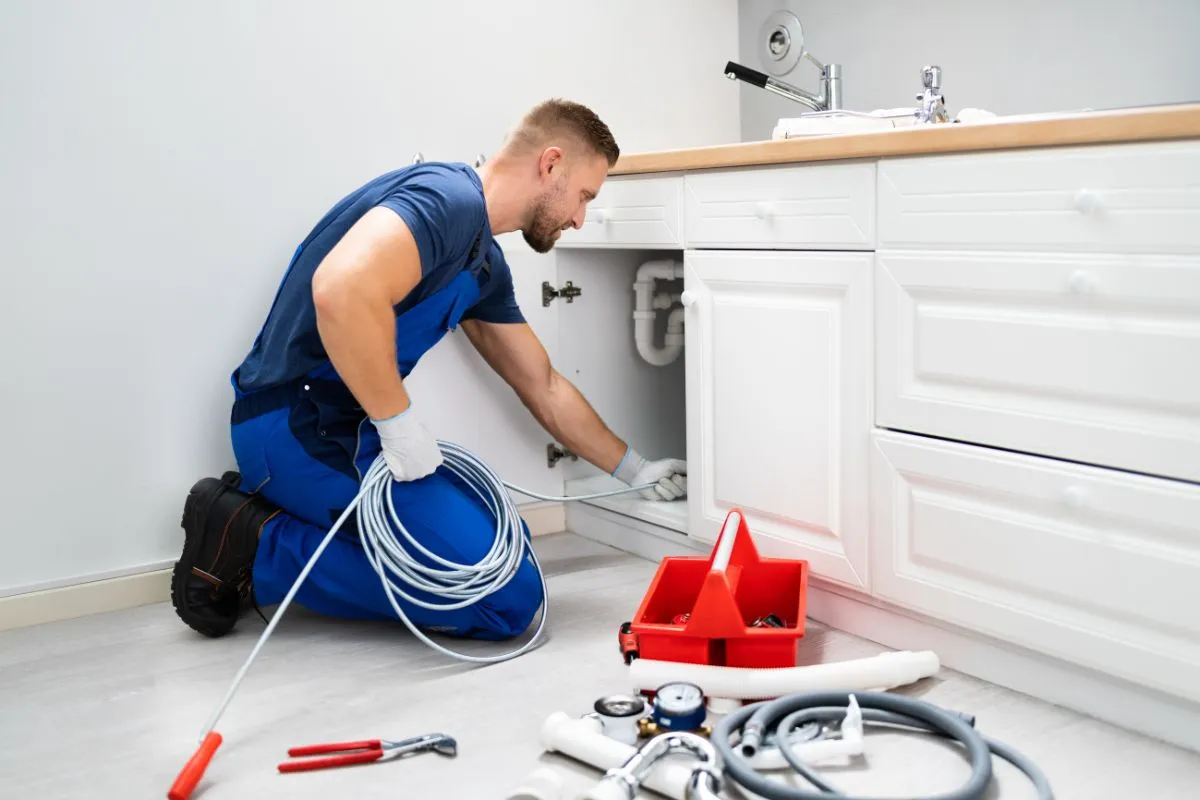
To maintain your drains during the rainy season, having the right tools is crucial. Here’s a list of essential tools for effective drain maintenance:
- Drain snake
- Plumber’s wrench
- Wet/dry vacuum
- Pipe inspection camera
These tools help ensure your drainage system works efficiently. Regular use prevents blockages and potential water damage. For those living in San Jose drain maintenance essentials, these tools prove invaluable in maintaining a functional system year-round.
Must-have tools for homeowners
Homeowners need essential tools for effective drain maintenance. A sturdy plunger helps clear minor blockages. A drain snake reaches deeper clogs. Wet/dry vacuums remove standing water efficiently. An adjustable wrench tightens or loosens drain fittings. Having these tools ensures quick response to drainage issues, preventing potential water damage.
How to use tools effectively for drain cleaning
Utilisez un plumber’s snake pour déloger les obstructions tenaces dans vos drains. Insérez l’outil dans le tuyau, tournez doucement jusqu’à sentir la résistance, puis retirez lentement pour enlever les débris. Un wet/dry vacuum peut aussi extraire l’eau stagnante et les petites particules, assurant un écoulement optimal.
Step-by-step guide to maintaining your drains
Ensuring your drains function optimally during the rainy season prevents costly water damage. Follow these steps for effective drain maintenance:
- Inspect drains monthly for clogs.
- Clear debris with a plumber’s snake.
- Check gutter connections for leaks.
- Test water flow by pouring water into drains.
Regular inspection and cleaning schedule
Regular drain inspection and cleaning prevent water damage during rainy seasons. Establish a consistent schedule to maintain efficiency and ensure long-term protection.
- Inspect drains monthly for debris and blockages.
- Clear gutters and downspouts every season.
- Flush drains quarterly to ensure proper flow.
- Check for leaks or cracks in pipes biannually.
- Schedule professional inspections annually.
In areas like San Jose, routine upkeep for local residents remains crucial due to frequent rainfall.
Removing debris and blockages
Clearing debris from your drains involves removing leaves, mud, and other blockages. Use a sturdy plumber’s snake to dislodge stubborn clogs. Regular cleaning helps in avoiding typical household blockages that can lead to water damage. Ensure water flows freely to prevent issues. After storms, check drains promptly for any obstruction.
Ensuring proper water flow and drainage
Regular maintenance keeps your drainage system efficient. Follow these steps to ensure proper water flow:
- Check for clogs in gutters and downspouts.
- Clean drain grates and catch basins.
- Verify slope for optimal drainage.
- Inspect and clear underground pipes.
- Use a hose to test water flow.
- Address pooling water promptly.
Expert tips for preventing water damage
Implementing expert tips for water damage prevention ensures your home’s safety. Consider the following strategies:
- Install gutter guards to prevent debris buildup.
- Extend downspouts to direct water away.
- Grade your yard for optimal water flow.
- Seal foundation cracks to block water entry.
- Use sump pumps in basements for excess water.
- Regularly inspect for signs of moisture or leaks.
These steps help in maintaining effective drain systems and avoiding costly repairs.
Installing gutter guards and downspout extensions
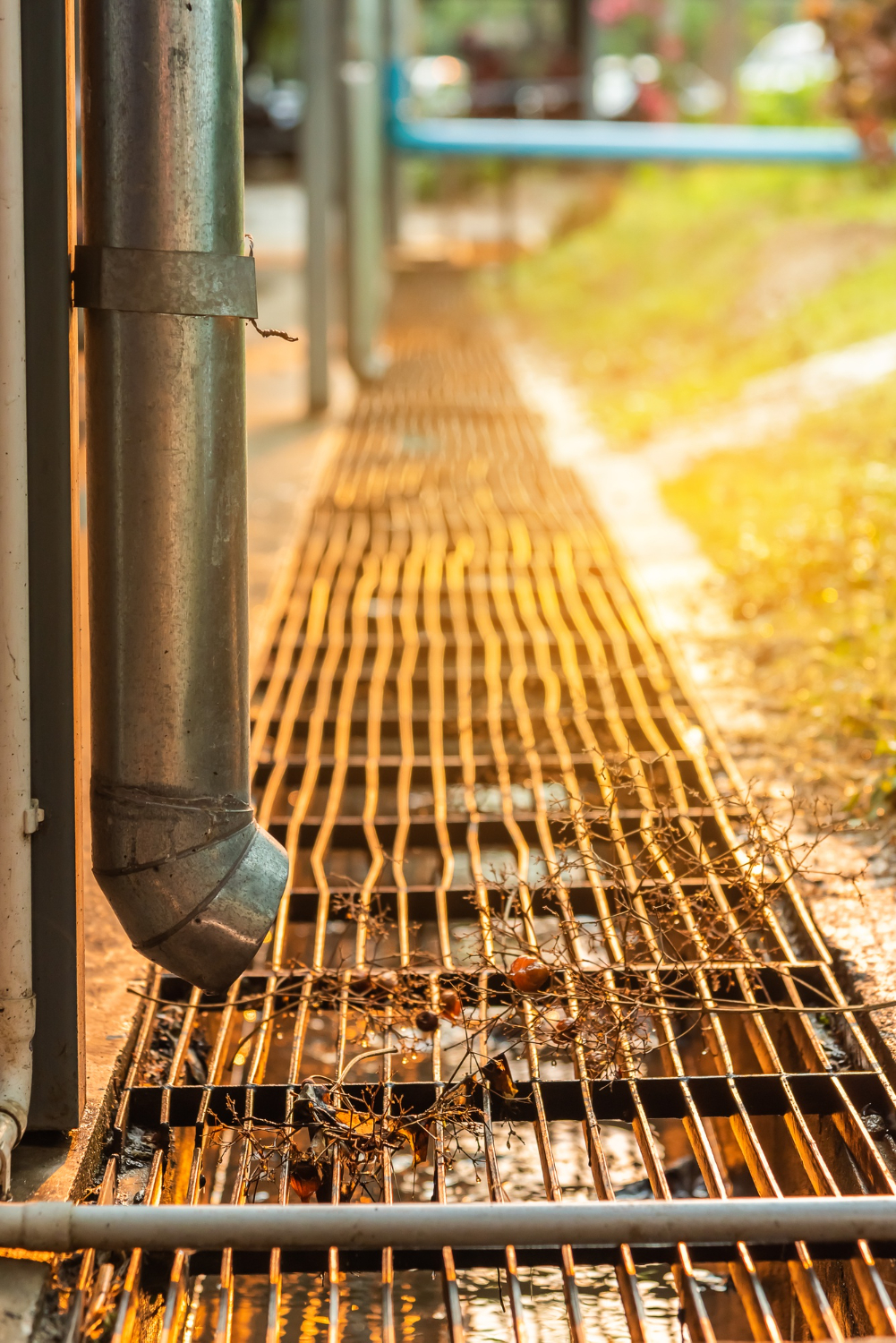
Installing gutter guards and downspout extensions proves essential in maintaining your drainage system during the rainy season. Gutter guards prevent leaves and debris from clogging your gutters, ensuring smooth water flow. Downspout extensions direct water away from your home’s foundation, minimizing the risk of water damage. These tools require minimal effort yet offer significant protection. By keeping gutters clear and directing water flow effectively, you reduce potential issues and maintain your home’s structural integrity. For best results, choose high-quality materials and consult professionals if needed. Proper installation saves time and prevents costly repairs.
Landscaping for optimal drainage
Strategically design your landscape to enhance drainage. Plant native vegetation with deep roots to stabilize soil. Incorporate swales or shallow ditches to direct water away from your home. Use permeable paving for driveways and walkways, allowing water to seep through. Regularly grade your yard to ensure slopes direct water away. Mulch beds absorb excess moisture, preventing erosion. Consider rain gardens for natural water collection, reducing runoff and promoting groundwater recharge.
When to consult a professional for drain maintenance
Consult a professional when you notice persistent clogs or slow drainage despite regular maintenance. Water pooling around your foundation may indicate a serious issue. Unusual odors or gurgling sounds from drains signal deeper problems. Professionals handle complex repairs and ensure your system works efficiently. Severe blockages require special equipment and expertise. Regular professional inspections prevent costly water damage and extend the life of your drainage system.
Troubleshooting common drainage issues
Identifying drainage issues early can prevent costly repairs. Look for these signs:
- Slow draining in sinks or showers
- Water pooling in your yard
- Gurgling sounds from pipes
- Unpleasant odors near drains
- Foundation cracks due to water pressure
Address these promptly to maintain effective drainage and protect your home from potential water damage.
Identifying signs of drainage problems
Look for water pooling near your foundation and slow drainage in sinks or tubs as signs of issues. Listen for gurgling sounds in pipes, which indicate blockages. Check for musty odors that suggest stagnant water in the system.
Quick fixes for minor drainage issues
Clear small blockages by pouring hot water into the drain. Use a plunger to dislodge stubborn debris. Baking soda and vinegar help break down minor clogs. Check for standing water in gutters and remove it manually. Ensure downspouts direct water away from your foundation to prevent water damage.
Common Questions
How often should I check my drains during the rainy season?
Inspect drains every month. This helps catch issues early, preventing blockages and ensuring proper water flow.
What tools do I need for basic drain maintenance?
A drain snake, plunger, and bucket are essential. These tools clear debris and maintain drain efficiency.
What signs indicate a drainage problem?
Look for slow draining water, unusual odors, and water pooling. These suggest a potential blockage or system issue.
When should I hire a professional for drain issues?
Contact a pro if DIY fixes fail or if you notice persistent drainage problems. They ensure comprehensive solutions.