
Foul odors coming from your drains can quickly become a bothersome issue in your home. In San Jose, local conditions, including hard water and a specific climate, favor the accumulation of debris in pipes. These often unseen blockages can cause unpleasant odors and affect the air quality inside your home. Fortunately, there are several solutions to eliminate these foul odors and keep your drains clean.
Sommaire
ToggleWhy do drains emit bad odors?
The foul odors coming from drains usually result from several factors. Identifying the main causes helps us better understand how to eliminate them.
Organic residues and grease
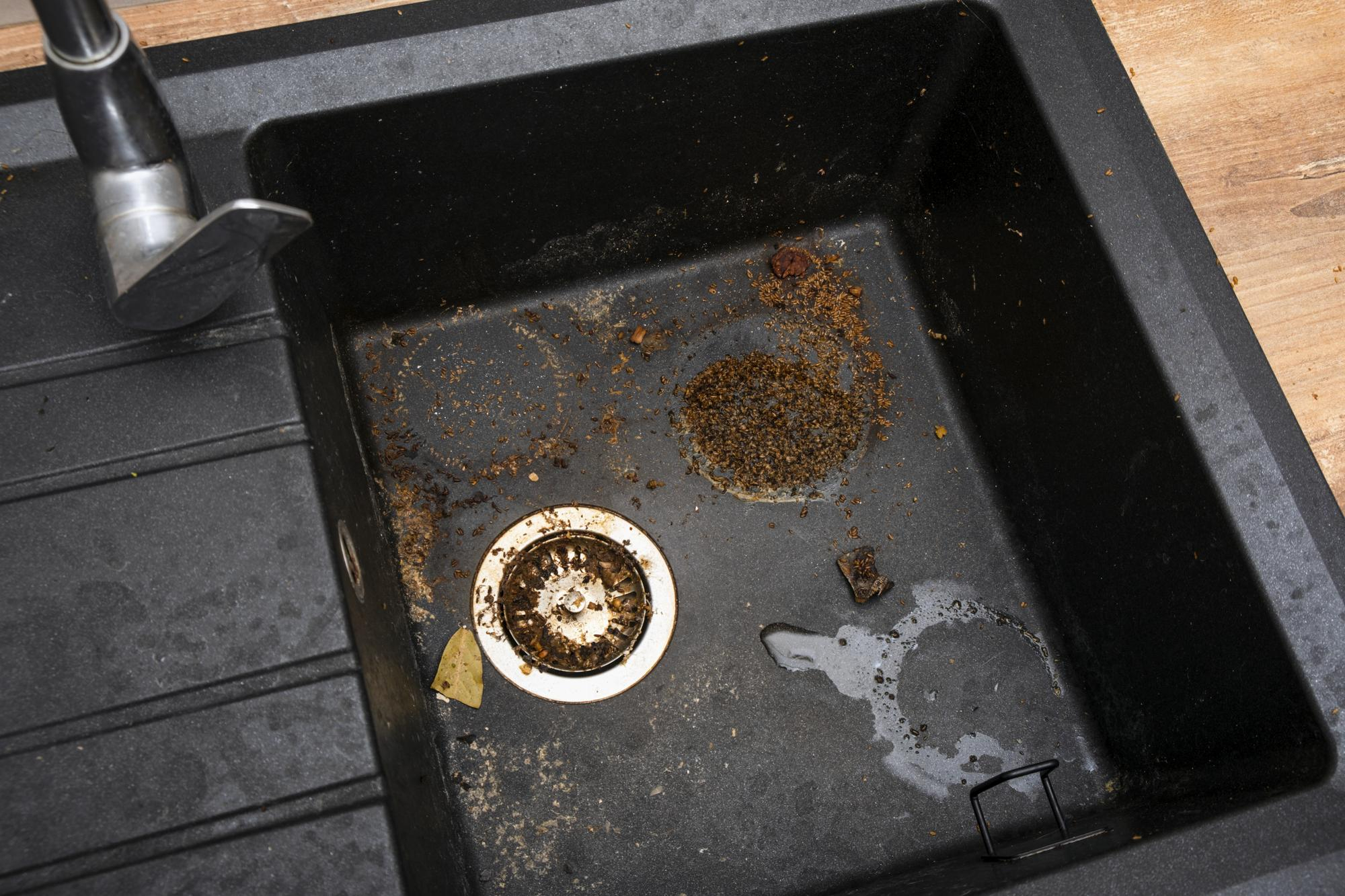
When grease, hair, or food scraps are flushed into drains, they accumulate and form blockages. These organic residues begin to decompose, producing foul-smelling gases that rise through the pipes. The buildup of these debris creates an ideal environment for bacteria to proliferate, leading to persistent odors.
Limescale and mineral deposits
Hard water, common in San Jose, contains high concentrations of minerals like calcium and magnesium. These minerals deposit in your pipes, creating residues that can both block drains and produce unpleasant odors. Limescale settles on the walls of pipes and can hinder their proper functioning.
Gases produced by decomposing debris
When organic matter accumulates in the pipes, it starts to decompose, releasing gases like methane and hydrogen sulfide. These gases are responsible for the foul smells that rise through the pipes and spread throughout your home.
Natural solutions to eliminate bad odors
If you’re looking for a simple and cost-effective method to address the issue, several natural solutions can be very effective.
Baking soda and vinegar
A mixture of baking soda and vinegar is one of the most popular and simplest methods. Pour half a cup of baking soda into the drain, followed by half a cup of vinegar. Let the chemical reaction take place for about 15 minutes, then rinse with hot water. This method not only eliminates residues but also neutralizes odors naturally and without chemicals.
Lemon and baking soda
Lemon, in addition to its fresh and pleasant scent, has antibacterial and deodorizing properties. Mixed with baking soda, it forms an effective solution for cleaning drains while eliminating odors. Simply add the juice of one lemon and half a cup of baking soda to your pipes, then let it sit before rinsing with hot water.
Natural enzymes
Enzymatic products are an excellent option for long-term odor elimination. These products contain enzymes that break down grease, hair, and other organic debris. By using them regularly, you can prevent residue buildup and bad odors.
Chemical products for a deeper clean
If natural methods aren’t enough, chemical products can offer more intensive cleaning. However, they should be used with caution, as some may damage your pipes.
Sodium hydroxide-based cleaners
Sodium hydroxide-based cleaners are powerful and can effectively eliminate deep blockages. They work by dissolving grease and other organic materials. However, they should be used sparingly, as their high alkalinity can damage pipes over time.
Sulfuric acid cleaners
Acidic cleaners, such as those containing sulfuric acid, are used to dissolve tough blockages. They are especially effective against mineral residues like limescale. Due to their corrosive nature, these products should be handled with care, and it’s better to call a professional for their use.
Professional methods for persistent odor elimination
When home methods fall short, a professional can step in for a more thorough cleaning. Here are two particularly effective techniques.
High-pressure cleaning (hydro jetting)
Hydro jetting uses high-pressure water to dislodge and remove blockages deep within the pipes. This method is ideal for eliminating limescale deposits and hard-to-reach clogs. It’s also environmentally friendly, as it uses only water.
Mechanical snaking
Mechanical snaking with a drain snake is another solution for removing deep blockages. The snake is a flexible tool that penetrates the pipes and helps dislodge debris. If your drains are frequently blocked, a professional plumber can use this method for a deeper clean.
Preventing bad odors: how to maintain your drains?
To keep your drains clean and odor-free, incorporating these simple practices into your routine can make a significant difference:
- A monthly cleaning with baking soda and vinegar can prevent debris from accumulating and help maintain a fresh scent.
- Use filters to prevent hair, grease, and other debris from entering the pipes. Strainers, placed in sinks and showers, are particularly effective in reducing blockages and bad odors.
- Avoid pouring grease or solid food scraps down your drains. Instead, use a grease trap for kitchen waste, and never pour oils or fats down the sink.
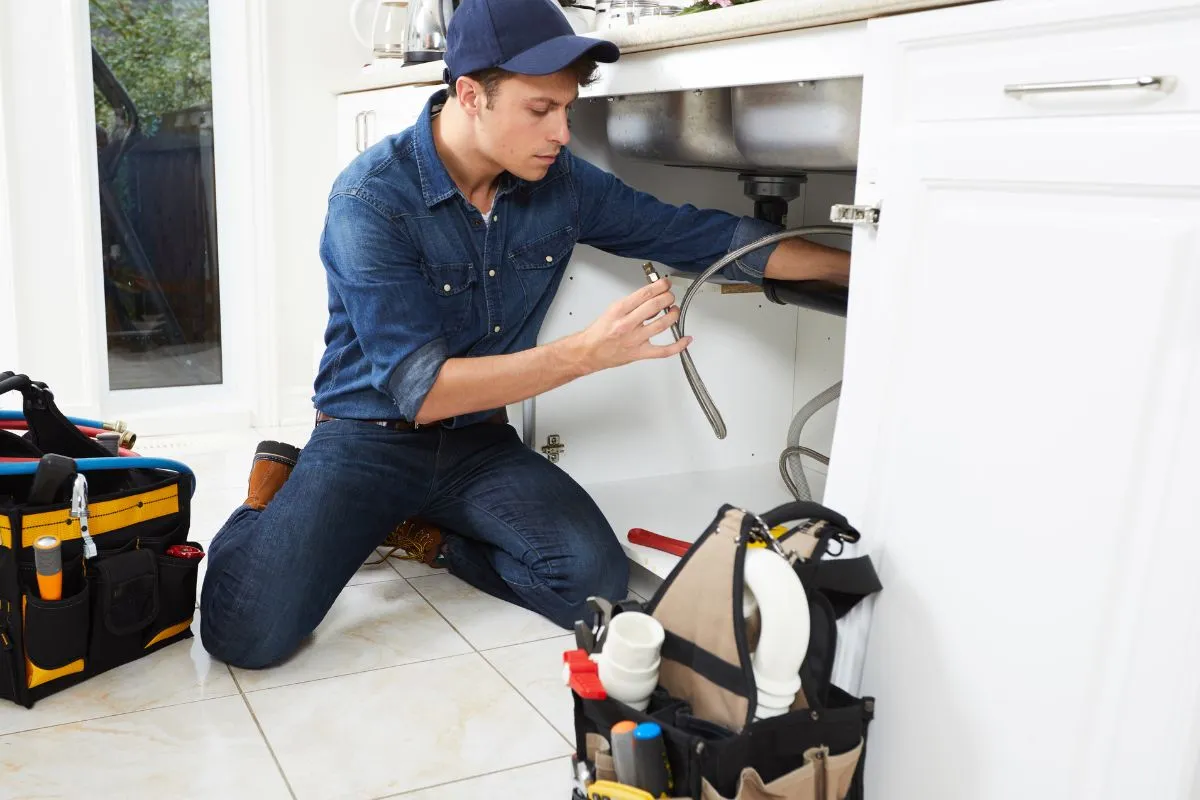
If bad odors persist despite your efforts, it could be a sign that the issue is deeper. Signs such as frequent blockages, leaks, or an odor that doesn’t disappear after cleaning indicate it’s time to call a professional. A plumber can diagnose the problem and use advanced techniques to resolve the situation.