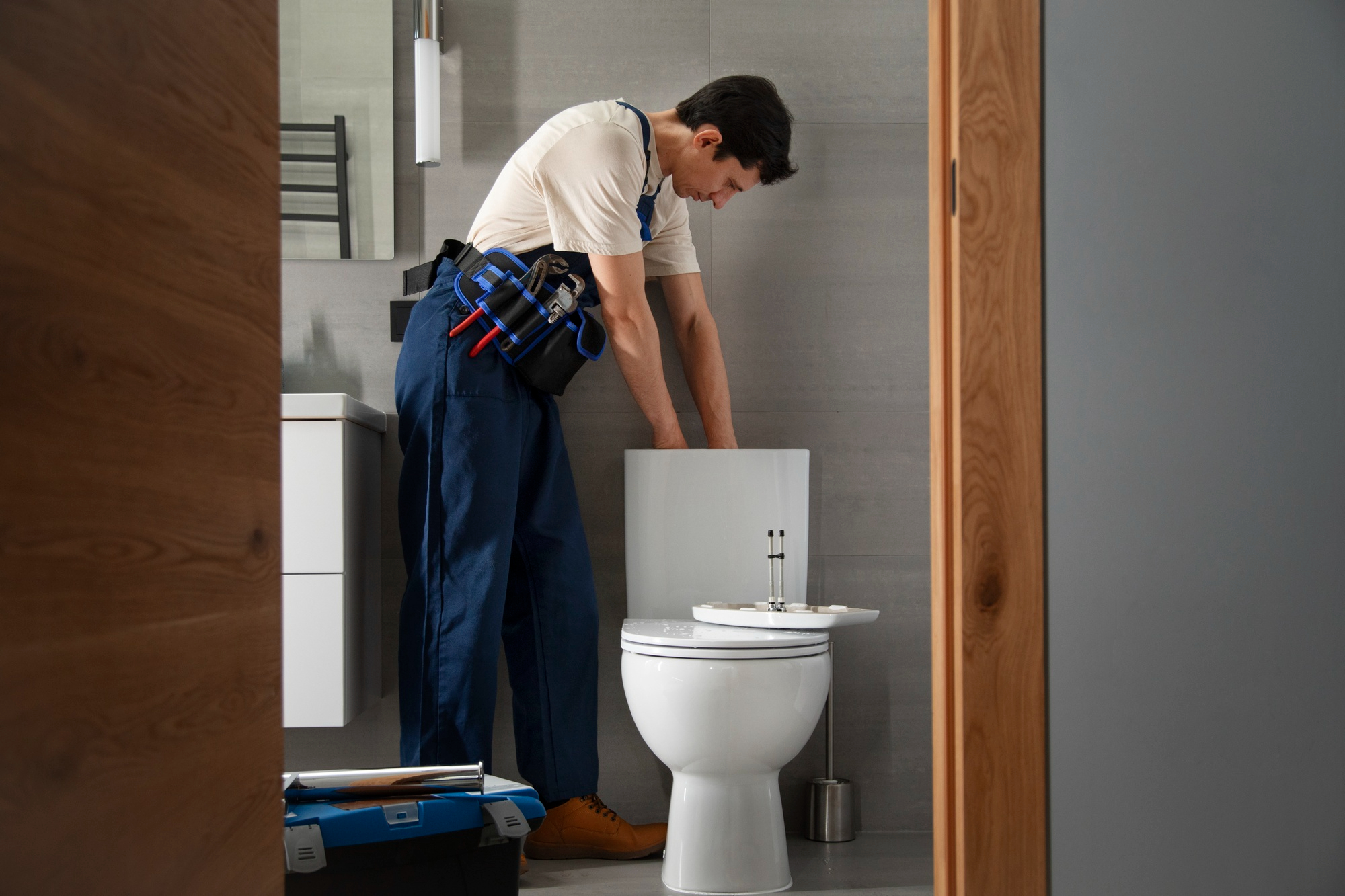
A clogged toilet drain can be a frustrating and inconvenient issue, especially when it’s not dealt with quickly. In San Jose, where both older homes and newer constructions exist, plumbing systems can sometimes face blockages due to a variety of factors, from debris buildup to pipe corrosion. However, there’s no need to panic; there are several steps you can take to solve the problem yourself before you need to call a professional.
Sommaire
ToggleAssess the situation before acting
The first thing to do when you notice a clogged toilet drain is to assess the situation. If the toilet is overflowing or the water is rising rapidly, it’s important to act quickly to prevent water damage to your bathroom floor and surrounding areas. If the water level is high but not spilling over, it’s usually a sign that the clog is not too severe. If the water is close to overflowing, you should proceed with caution. Flushing the toilet again when it’s clogged can worsen the situation, causing the water to spill over the rim and flood the bathroom. Resist the urge to flush again until the clog is cleared.
Use a plunger to clear the clog
A plunger is the most common and effective tool for tackling a clogged toilet. To properly use a plunger:
- Select the right plunger: Make sure to use a flange plunger, which is specifically designed for toilets. The flange creates a better seal in the toilet drain, making it more effective at clearing blockages.
- Create a proper seal: Place the plunger over the drain opening, ensuring it creates a firm seal around the edges.
- Plunge with force: Push down and pull up on the plunger with a firm motion, making sure the plunger doesn’t lift off the drain. This creates suction that can help break up or dislodge the blockage.
- Repeat if necessary: Continue plunging for about 15-20 seconds, then flush the toilet to check if the clog has been cleared.
If the water begins to drain normally after a few plunges, you’ve likely cleared the clog. If not, you’ll need to try other methods.
Use hot water and dish soap
If the plunger didn’t work, another effective method is using hot water and dish soap. This method is especially helpful for breaking down grease or other substances that may have caused the clog.
- Pour about 1/4 cup of dish soap into the toilet bowl. Let it sit for 10-15 minutes to lubricate the pipes and break down any grease or oils that may be contributing to the clog.
- Heat a gallon of hot water (not boiling, as it can crack the porcelain) and slowly pour it into the toilet bowl from waist height. The force of the water can help dislodge the clog.
- Allow the solution to sit for a few more minutes, then flush the toilet to see if the clog has cleared.
This method is often very effective for clogs caused by soap, grease, or toilet paper buildup.
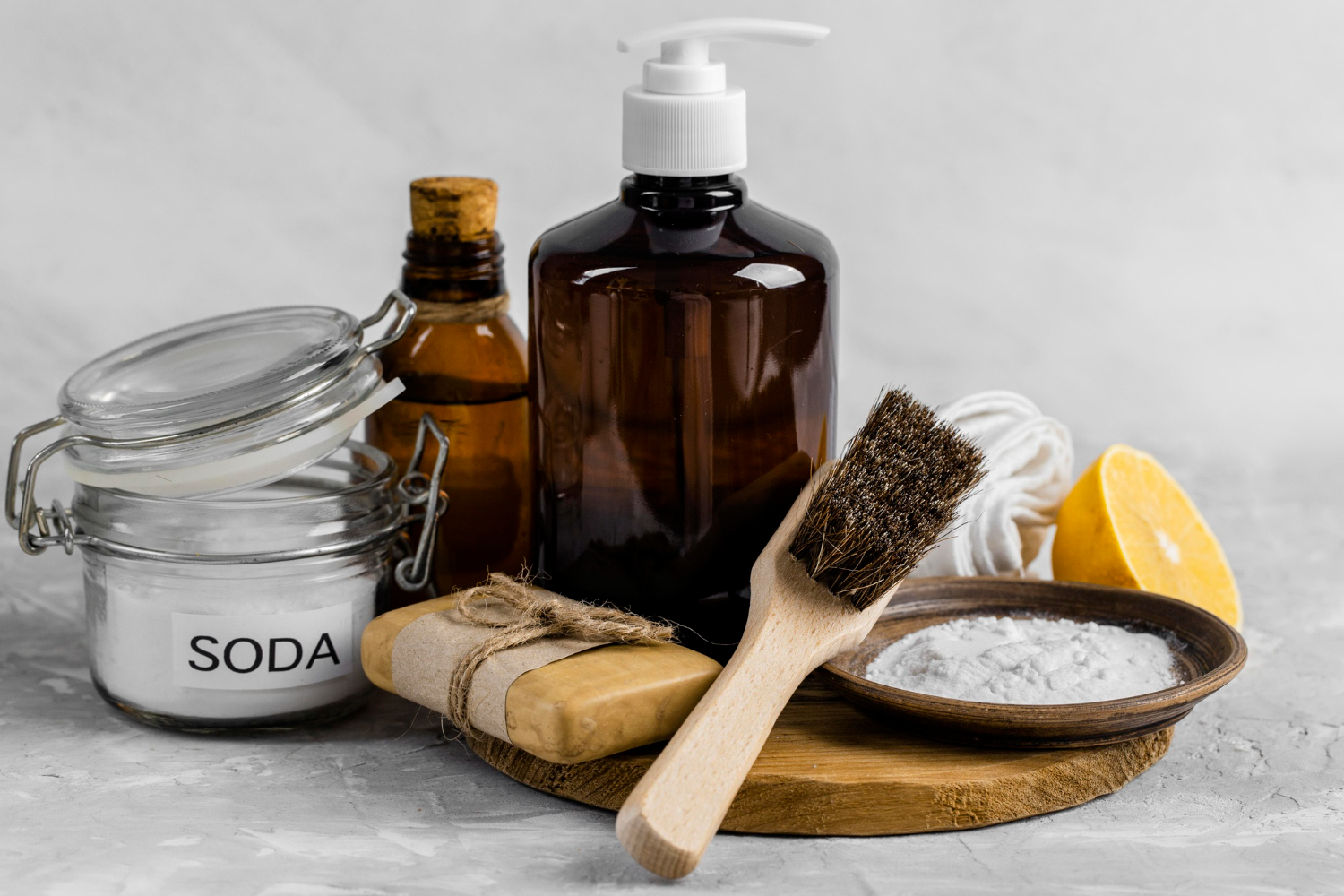
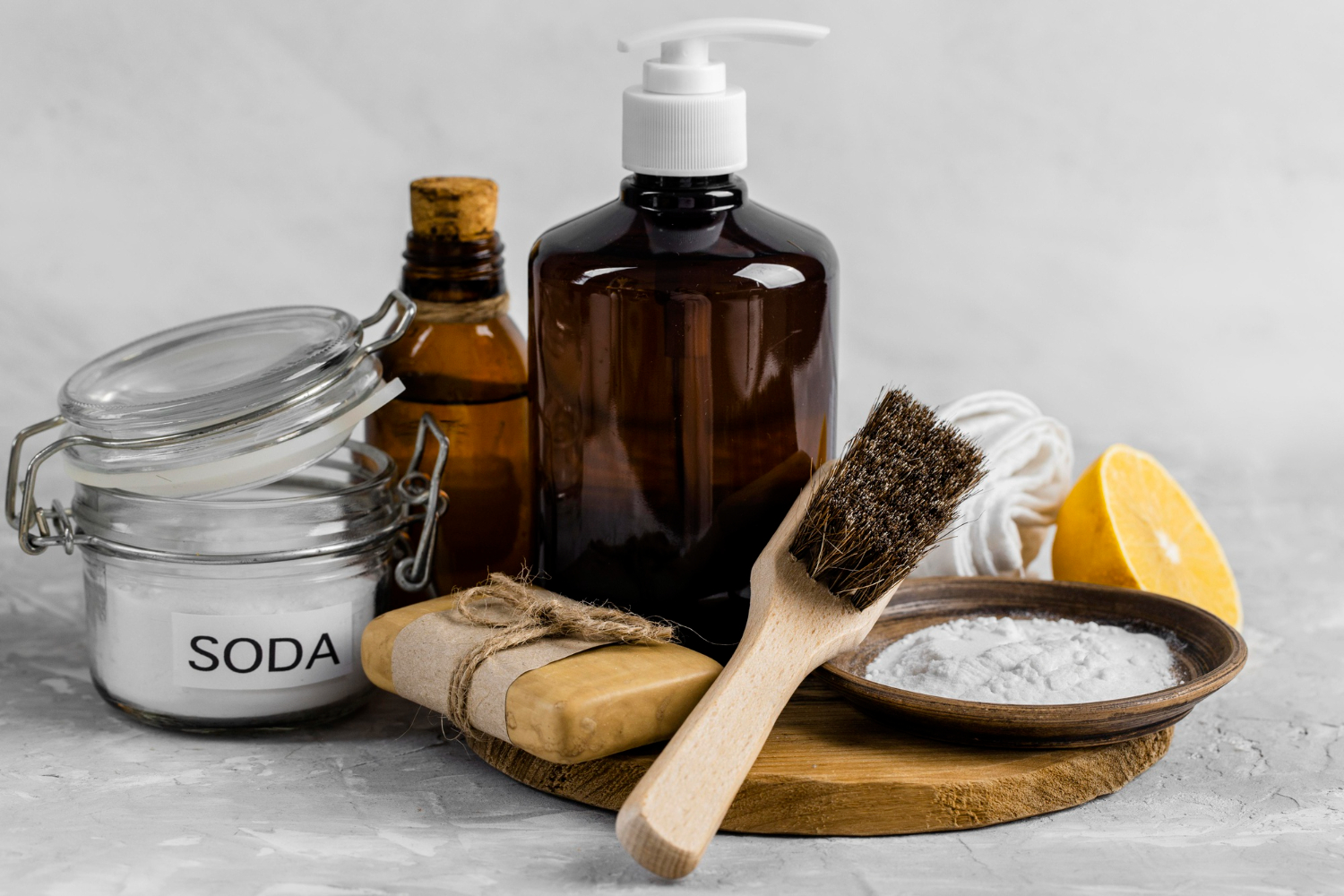
Read more : Eco-friendly solutions for cleaning drains in San Jose
Try a toilet auger (plumbing snake)
If the clog is still stubborn, it may be located deeper in the drain pipe. A toilet auger (also known as a plumbing snake) is a tool that can reach further into the toilet drain and dislodge more stubborn blockages. How to use:
- Insert the auger’s coiled tip into the toilet drain and begin to turn the handle. The auger’s coil will twist around the obstruction, breaking it up or hooking onto the blockage so you can pull it out.
- Continue feeding the auger into the drain until you feel resistance or pull out the blockage.
- Once the obstruction is cleared, flush the toilet to check if the water flows freely.
Toilet augers are available at most hardware stores, and they’re an excellent investment for homeowners who prefer to handle plumbing issues themselves.
Check for deeper issues or call a professional
If none of the above methods worked, the clog might be due to a more serious issue, such as a severe blockage in the sewer line or a problem with the toilet’s internal components. In such cases, it’s best to call a professional plumber.
- Persistent or recurring clogs that you can’t clear.
- Toilet problems that persist even after plunging, snaking, or using other methods.
- Water backing up into other drains in your home, which could indicate a larger plumbing issue.
Plumbers have specialized tools and knowledge to diagnose and fix complex plumbing problems, including sewer line blockages.
Prevent future clogs in your toilet
After you’ve cleared the clog, it’s important to adopt habits that can help prevent future issues:
- Avoid flushing non-flushable items: Never flush wipes, paper towels, or feminine hygiene products, as these do not break down easily in the plumbing system.
- Limit toilet paper use: Use only as much toilet paper as necessary and consider using a flushable variety that dissolves more easily.
- Regular maintenance: Occasionally use natural methods, like hot water and vinegar, to clean your toilet and prevent buildup in the drain.
Dealing with a clogged toilet drain in San Jose can be frustrating, but there are several methods you can try to fix the issue before calling a plumber. From using a plunger or hot water and dish soap to employing a plumbing snake or auger, most clogs can be cleared with a little patience and the right tools. However, if the problem persists, or if you’re dealing with a more serious plumbing issue, it’s best to seek professional help. Regular maintenance and mindful toilet habits will help you avoid future blockages and keep your plumbing system in good shape.