In San Jose, the rapid growth of trees, combined with a soil conducive to moisture, creates an ideal environment for roots to penetrate your pipes. If you have trees in your garden or around your pipes, you may already be experiencing problems with blockages and leaks. But how can you tell if tree roots have invaded your pipes, and above all, what can you do to prevent or treat this phenomenon?
Sommaire
ToggleWhy are tree roots a problem for your pipes in San Jose?
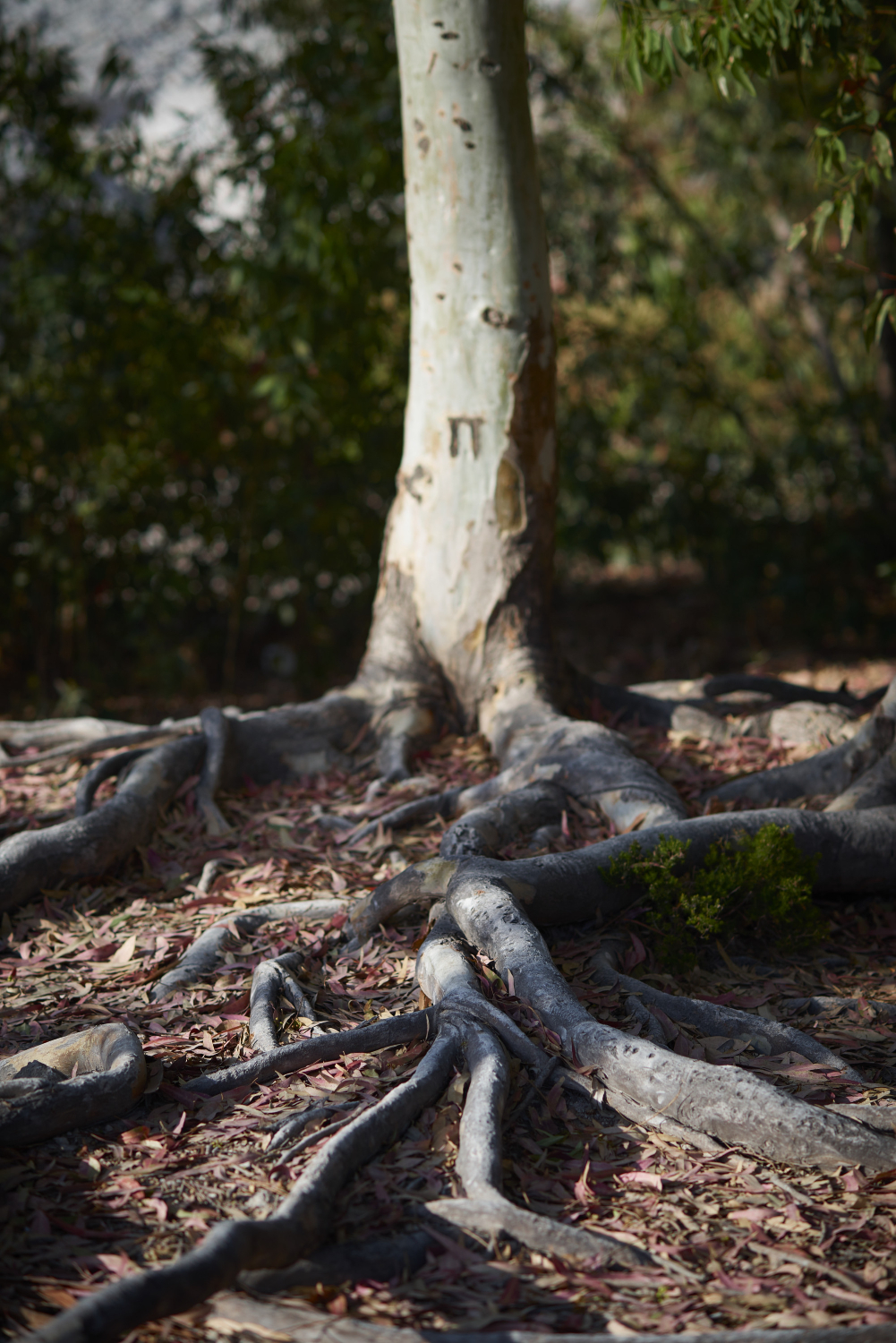
Tree roots, though often seen as a natural phenomenon, pose a real challenge for your plumbing, especially in San Jose. The city, with its varied climate and soil types, provides an ideal environment for this issue. In search of water and nutrients, tree roots invade your pipes, often in a subtle manner, but with significant consequences if not addressed in time. If the roots detect a leak or moisture, they will infiltrate, causing blockages and damages that can be costly.
How do tree roots affect your pipes?
Tree roots are drawn to moisture. When they detect water in your pipes, they infiltrate. If your pipes are in poor condition or not well maintained, the roots find it easy to enter. This process is gradual, so the signs of root intrusion can be hard to detect at first.
How do roots find their way into your pipes?
Roots, sensitive to the presence of moisture, detect leaks in your pipes. Once they sense moisture, they make their way through the joints or cracks in the pipes. If the pipes are old or poorly maintained, this intrusion becomes more likely. Once inside, the roots expand quickly, making the situation harder to manage.
The most vulnerable types of pipes
Certain pipes, like clay and PVC, are particularly vulnerable. Clay pipes, though older and durable, often have joints that can deteriorate over time, making it easier for roots to sneak in. PVC pipes, while more modern, can also allow roots to enter if the joints are poorly sealed or damaged.
The consequences for your plumbing
When tree roots invade your pipes, they can cause blockages, leaks, and even pipe ruptures. This leads to water leaks, unpleasant odors, and water pressure issues. Over time, this can result in the gradual deterioration of your plumbing, requiring costly repairs.
How to prevent damage from tree roots in San Jose
Prevention is often key to avoiding expensive repairs. Fortunately, several measures can be taken to reduce the risk of root intrusion in your pipes.
Choose the right trees and plant them at a distance
Choosing the right trees for your garden is essential. Certain species, like oaks and pines, have particularly aggressive roots. If you already have these trees in your garden, make sure they are planted far from areas where your pipes run. If you’re planting new trees, research species whose roots won’t pose major risks.
Install root barriers
Root barriers are an excellent way to protect your pipes before the problem occurs. These barriers, made from plastic or metal, prevent roots from reaching your pipes. They are especially useful for exterior piping. By installing these protections, you create a defensive layer that safeguards your pipes for years.
Regular pipe maintenance
Regular maintenance of your pipes is fundamental. Inspect your pipes at least once a year to catch cracks or vulnerable spots before roots invade. Routine cleaning and annual inspections can help prevent blockages before they become major issues.
What to do when tree roots have already invaded your pipes
If roots have already infiltrated your pipes, it’s important to act quickly to avoid more serious damage.
Techniques to unclog pipes affected by roots
Using a snake is a common method to remove roots from pipes. This device helps scrape out roots and clear the pipes. For more stubborn roots, hydrojetting is an effective solution. It uses high-pressure water to clean the pipes, remove the roots, and clear any accumulated debris.
Replacing damaged pipes
In cases where pipes are too damaged, replacement may be necessary. This typically involves digging around the affected pipes to remove them and install new ones, often stronger and more resistant to roots, like reinforced PVC.
Consult a plumbing professional
If you notice root intrusion or plumbing problems, it’s often best to consult a professional plumber. An expert can assess the situation and recommend the best solutions to remove the roots while preserving your pipes’ integrity.
How to spot the signs of root intrusion in your pipes in San Jose
Spotting the signs of root intrusion early can help you avoid costly repairs and major inconveniences.
Common symptoms to watch for
Slow drainage in your sinks or toilets is a common sign of a blockage caused by roots. You may also notice water leaks near your pipes, as well as unpleasant odors coming from the pipes, indicating internal degradation.
Signs of leaks in your yard or around your pipes
If you notice unusually wet areas or standing water in your yard near the pipes, this could indicate that roots have caused a leak in your pipes. These signs are often an early warning that it’s time to inspect your plumbing more closely.
To prevent roots from causing damage to your pipes, it’s important to take preventive measures. Choosing the right trees, installing root barriers, and regularly maintaining your pipes can all help preserve your plumbing. If roots do manage to infiltrate, there are effective solutions such as using the snake, hydrojetting, or replacing pipes to restore proper function. By acting early, you minimize risks and ensure the long-term health of your plumbing.